October 15, 2026
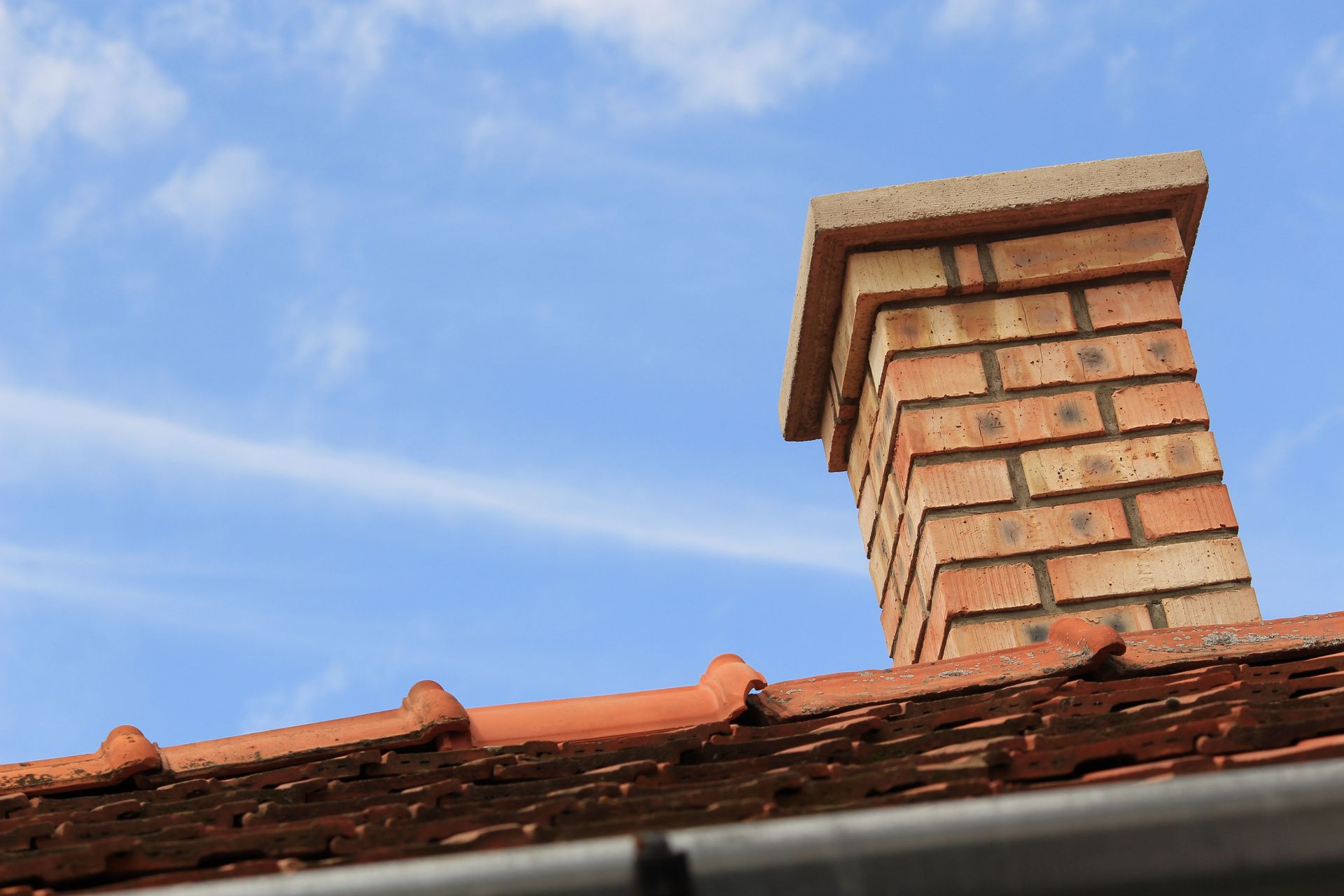
Chimneys are essential components of many homes, providing ventilation and safely directing smoke, combustion gases, and other byproducts away from living spaces. Because they extend above the roofline, chimneys are continually exposed to rain, snow, wind, temperature changes, and other environmental conditions. Years of exposure can weaken bricks, deteriorate mortar joints, damage liners, and allow moisture to enter the masonry. When deterioration becomes extensive, routine repairs may no longer provide an appropriate long-term solution. A chimney rebuild can restore structural stability, improve safe operation, and renew the appearance of this important part of the home. Understanding the process helps homeowners recognize potential problems, prepare for construction, and make informed decisions about materials, contractors, and ongoing maintenance.
Assessing the Condition of the Chimney
A thorough assessment is the first step toward determining the appropriate course of action. Homeowners can begin by looking for visible deterioration, including cracked bricks, missing mortar, leaning sections, staining, or pieces of masonry around the base of the structure. Spalling, which occurs when the surface of bricks begins flaking or breaking away, may indicate that moisture has penetrated the masonry. Problems around the flashing where the chimney meets the roof can also allow water to enter the home or chimney structure.
Some problems are difficult to identify through an exterior inspection alone. Damage may exist inside the flue, behind masonry, or in areas that cannot be safely viewed from the ground. Professional inspectors may use chimney cameras to examine the interior and identify damaged liners, obstructions, cracks, or other concerns. Depending on the property, additional technology may be used to evaluate hard-to-reach areas. A professional assessment can help determine whether individual repairs are sufficient or whether a chimney rebuild should be considered because deterioration has become too extensive.
Recognizing Common Structural Problems
Chimney deterioration can develop for many reasons, but moisture is one of the most persistent concerns. Masonry materials can absorb water, and repeated freeze-thaw cycles may cause that moisture to expand and contract within bricks and mortar. Over time, this process can contribute to cracking, spalling, and weakened joints. Damaged chimney caps, crowns, or flashing can make moisture problems more severe by allowing additional water into vulnerable areas.
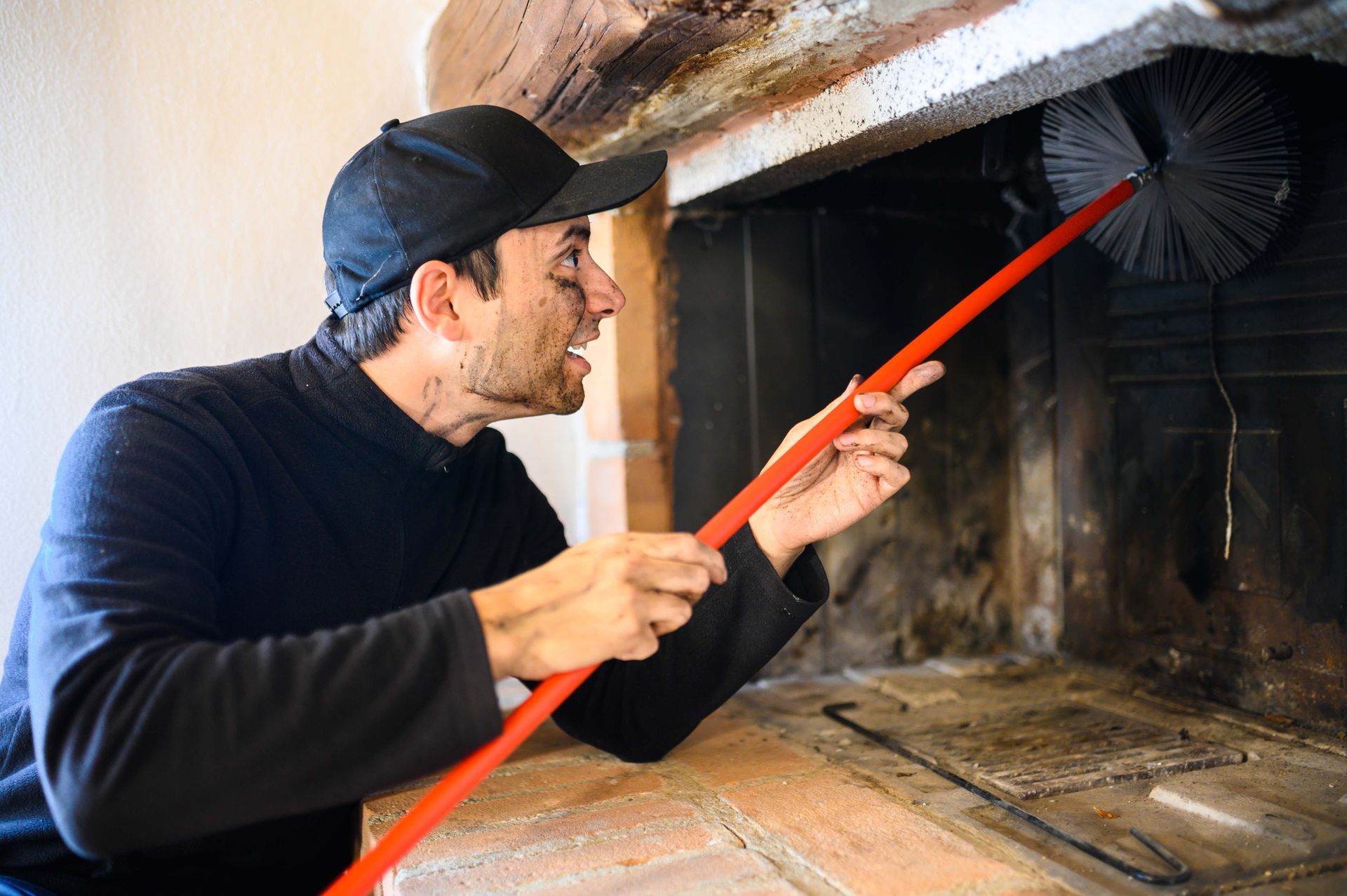
Other concerns include damaged flue liners, loose bricks, deteriorated mortar, blockages, and creosote accumulation. Creosote is a combustible byproduct that can develop when wood is burned, making routine cleaning important for fireplaces and wood-burning systems. Leaning or visibly unstable masonry deserves immediate professional attention because it may indicate significant structural deterioration. Identifying the underlying cause of damage is important because simply repairing the surface without correcting moisture intrusion or another source of deterioration may allow the problem to return.
Planning and Budgeting for the Project
Careful planning can make a chimney rebuild easier to manage. The project's cost will depend on factors such as chimney height, accessibility, the extent of deterioration, material selection, liner requirements, labor, and local construction conditions. A partial reconstruction above the roofline may require considerably less work than dismantling and replacing a larger portion of the structure. Homeowners should obtain a detailed assessment before establishing a final budget so the scope of work is clearly understood.
It can also be helpful to reserve part of the budget for unexpected conditions. Once deteriorated masonry is removed, contractors may discover concealed water damage, weakened structural components, or liner problems that were not apparent during the initial inspection. A written proposal should explain the planned work, materials, estimated schedule, cleanup responsibilities, and procedures for addressing changes to the original scope. Reviewing these details before construction begins can reduce misunderstandings and make unexpected decisions easier to manage.
Selecting Appropriate Masonry and Components
Material selection has a direct influence on durability and appearance. Replacement bricks should be compatible with the existing structure in size, strength, color, and other characteristics whenever portions of the original chimney will remain. Mortar must also be appropriate for the masonry because an incompatible mixture can contribute to premature deterioration. Contractors should consider the age and condition of the home as well as the environmental conditions the chimney will face.
Flue liners, chimney caps, crowns, and flashing are additional components that may require attention during a chimney rebuild. Liner options can include clay tile, stainless steel, and other approved systems depending on the appliance, fuel type, and existing configuration. Caps help limit the entry of rain, debris, and animals, while properly constructed crowns direct water away from masonry surfaces. Appropriate flashing protects the connection between the chimney and roof. Coordinating these components creates a more complete system rather than focusing solely on visible brickwork.
Following Codes and Choosing a Contractor
Building requirements can affect chimney height, clearances, venting, flue dimensions, masonry construction, and other aspects of the project. Requirements vary according to jurisdiction and the type of fireplace or heating appliance connected to the chimney. Permits and inspections may also be required. Homeowners should verify applicable requirements before construction begins instead of assuming that an older chimney automatically complies with current standards.
Choosing an experienced masonry or chimney contractor is equally important. Homeowners can review licensing requirements, insurance coverage, references, previous projects, and written estimates before making a selection. Contractors should clearly explain the proposed work and why particular repairs or materials are recommended. Asking questions about demolition, property protection, weather delays, inspections, warranties, and cleanup can provide a clearer understanding of what to expect throughout the chimney rebuild.
Removing Damaged Masonry Safely
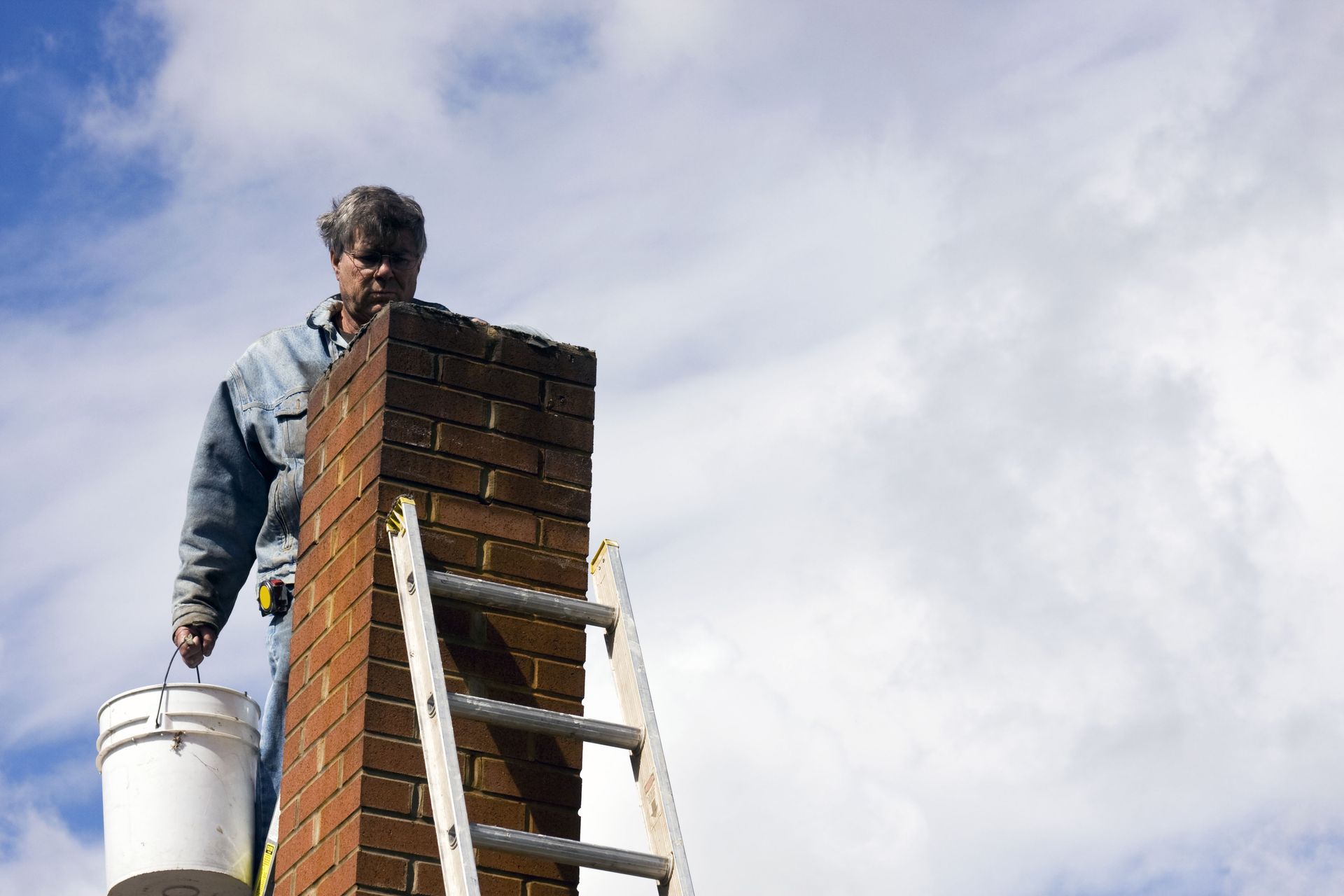
Once work begins, damaged portions of the existing chimney must be carefully dismantled. Contractors generally remove unstable bricks and mortar in a controlled manner while protecting the surrounding roof, siding, landscaping, and other parts of the property. Depending on the height and location of the chimney, scaffolding, ladders, fall-protection equipment, and other safety measures may be necessary. Construction debris should also be contained and disposed of according to applicable local requirements.
Demolition can reveal conditions that were previously hidden. Interior deterioration, deteriorated flashing, damaged liners, or weakened supporting masonry may become apparent only after exterior materials are removed. Contractors can then reassess the structure and determine whether the original scope remains appropriate. Careful removal is important because unnecessary damage to sound portions of the chimney can increase both the complexity and cost of reconstruction.
Constructing the New Chimney Structure
After deteriorated materials are removed and the supporting structure is confirmed to be sound, masonry reconstruction can begin. Bricks are installed in the required pattern with properly prepared mortar joints, while contractors continually check alignment, dimensions, and stability. The reconstructed section must integrate correctly with any remaining chimney structure and accommodate the flue system. Attention to detail during this phase helps create a durable structure that performs properly and complements the home's architecture.
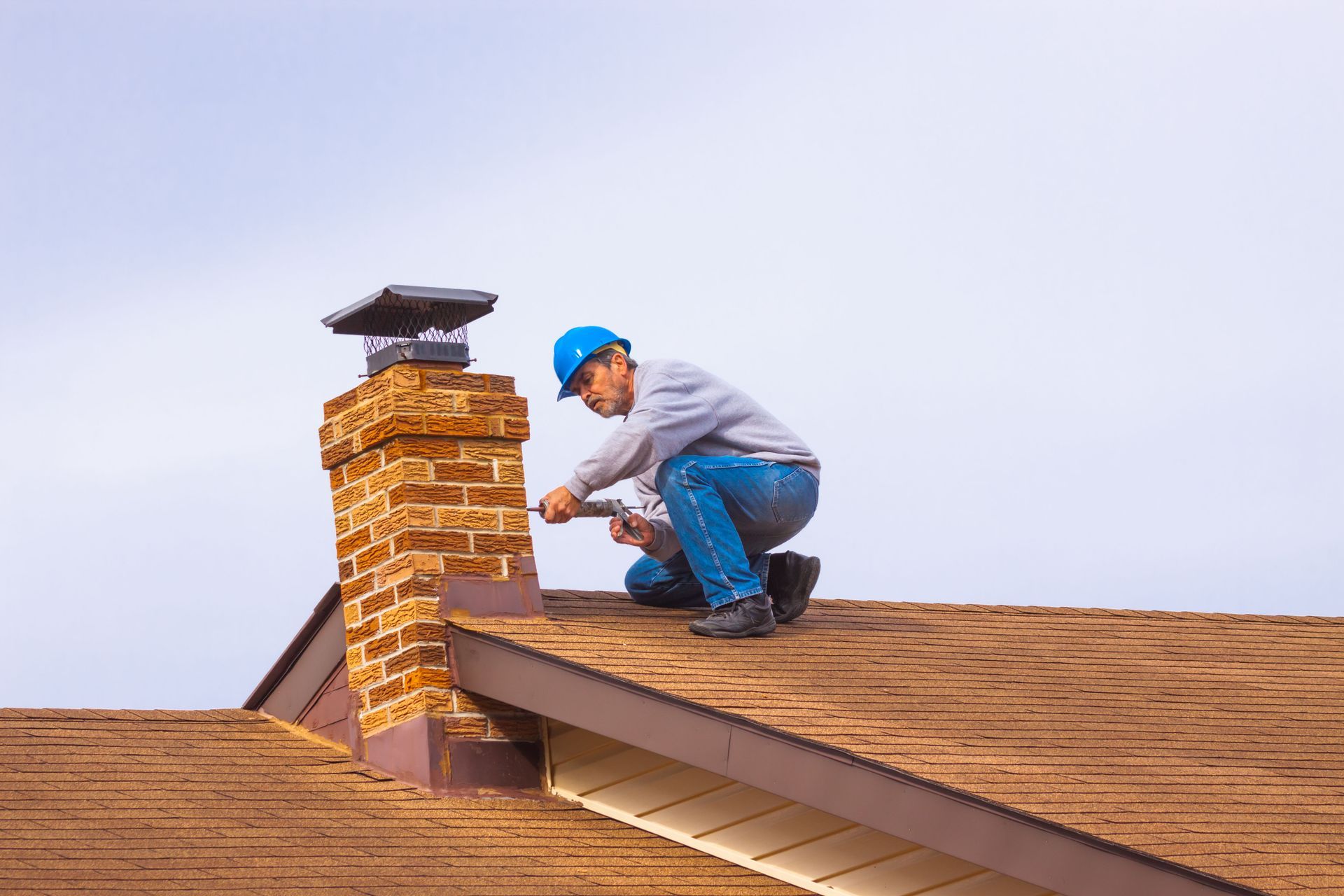
Depending on the scope of the chimney rebuild, contractors may also replace or repair the crown, flashing, liner, cap, and other components. The chimney crown should be designed to direct precipitation away from masonry surfaces, while flashing must form an effective connection with the roofing system. The cap can provide another layer of protection by limiting direct water entry and helping prevent animals and debris from entering the flue. Each component contributes to the overall performance of the finished system.
Homeowners should address small masonry defects promptly rather than allowing them to expand through repeated weather exposure. Minor mortar deterioration or a damaged cap may be relatively manageable when discovered early but could contribute to extensive damage if ignored for several seasons. Consistent maintenance helps preserve the investment made in a chimney rebuild and supports safe, dependable performance over the years. By combining professional inspections, routine cleaning, moisture control, and timely repairs, homeowners can help keep their chimney structurally sound and functional while reducing the likelihood of another major reconstruction project in the near future. Contact our team at Exclusive Chimney & Masonry today and learn more about our chimney rebuild service.