September 9, 2026
Routine chimney maintenance is vital for maintaining the safety, comfort, and operational efficiency of any home heating system. When homeowners neglect this essential upkeep, they expose their property and families to several serious hazards. Skipping routine chimney cleaning allows dangerous deposits to build up, setting off a chain reaction of negative outcomes. From elevated fire threats to structural breakdown, ignoring your system creates unnecessary hazards that worsen over time.
1. Heighten Chimney Fire Risks
Burning wood inside fireplaces creates creosote, a highly flammable byproduct that attaches to interior flue walls. Over time, this dark residue hardens into a thick layer that acts as volatile fuel for unexpected structure fires. Scheduling regular chimney cleaning removes this dangerous substance before it reaches critical ignition levels. High temperatures from ordinary fires can easily ignite these deposits without intervention. Securing professional assistance prevents creosote accumulation, maintaining a safe pathway for heat and smoke to exit your home cleanly.
In addition to creosote, outdoor debris like fallen leaves, twigs, and bird nests frequently gather inside open flues. This organic material ignites quickly when exposed to intense heat, accelerating flame growth within the vent. Neglecting standard maintenance leaves flues blocked, significantly increasing the likelihood of sudden fire outbreaks. Property owners must remain vigilant about keeping these passages clear of foreign objects. Clean venting systems eliminate unnecessary ignition sources and ensure peaceful operation during cold winter months.
Excessive heat buildup from trapped soot can cause thermal stress that damages surrounding building components. Cracks in flue walls allow extreme heat to penetrate wall framing and attic spaces, sparking hidden blazes. Routine maintenance restores clean surfaces that allow heat to dissipate properly without damaging surrounding structures. Addressing these risks early protects residential buildings from devastating property loss.
2. Increase Carbon Monoxide Hazards
Obstructed venting pathways prevent toxic combustion gases from escaping safely outside your house. When smoke cannot travel upward freely, dangerous carbon monoxide backdrafts directly into living spaces. This invisible gas poses severe health hazards to residents, often without any initial warning signs. Keeping flue channels wide open through periodic service ensures toxic fumes exit the home efficiently. Proper ventilation remains essential for preserving a safe indoor environment during heavy heating seasons.
Carbon monoxide carries no odor, color, or taste, making it an extraordinarily dangerous household threat. Residents exposed to this toxic gas may suffer severe health symptoms long before realizing a hazard exists inside the residence. Avoiding routine system care greatly increases the chance of dangerous gas accumulation inside bedrooms and living spaces. Addressing ventilation channels before trouble starts removes this hidden hazard.
Installing home carbon monoxide detectors provides vital early warnings, yet physical prevention remains the primary defense. Combining alarm technology with routine maintenance creates a robust safety strategy for every household. Routine maintenance prevents heavy blockages from developing inside exhaust pathways throughout the year. Taking these protective measures ensures gas exhausts outward as intended by system design. Prioritizing clear pathways keeps family members safe from unseen carbon monoxide risks.
3. Accelerate Structural Masonry Deterioration
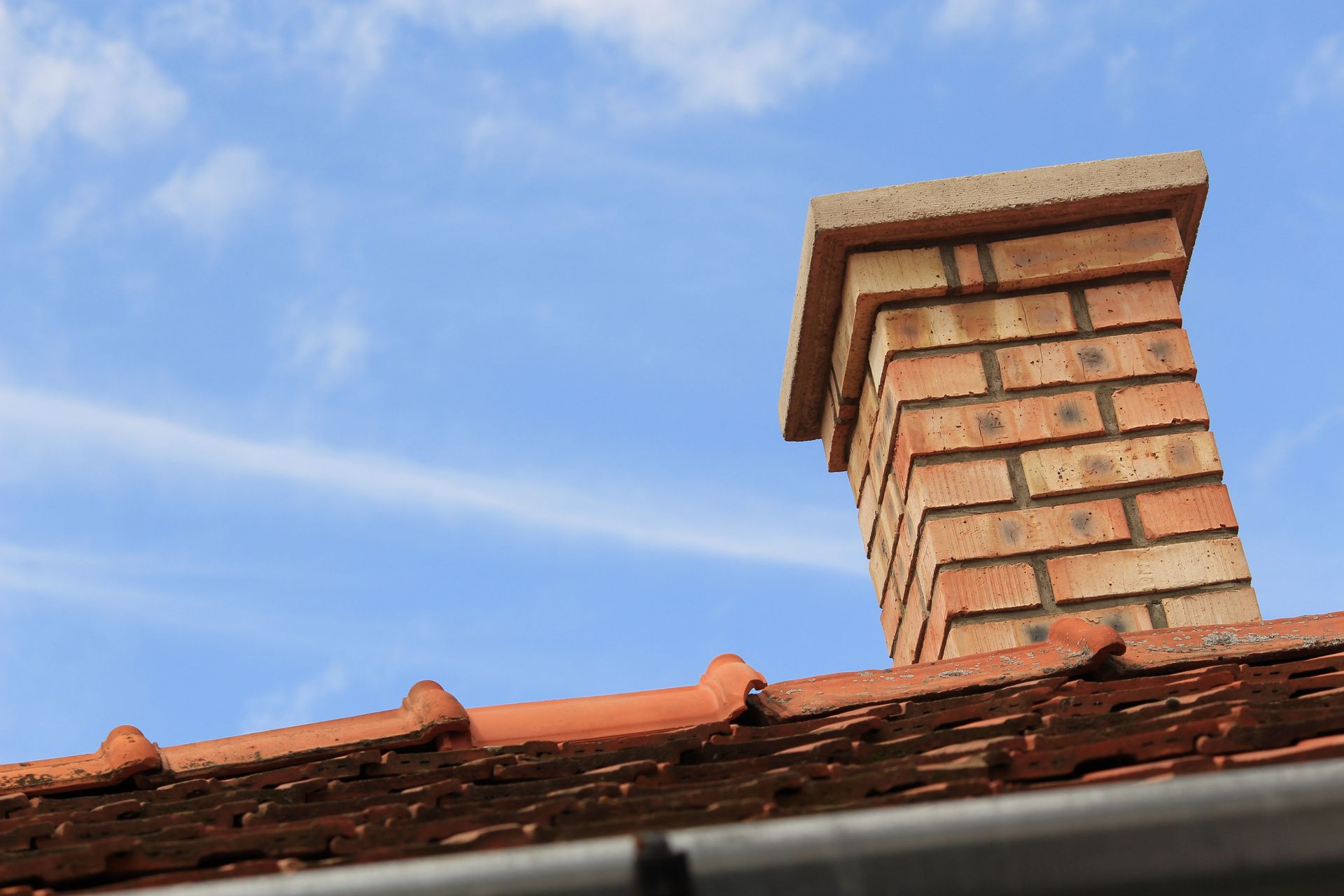
Moisture intrusion represents one of the most destructive forces acting upon residential masonry structures. Cracks in exterior caps or degraded mortar joints allow rain and melting snow to penetrate inner walls. Once water enters porous bricks, freeze-thaw cycles cause severe cracking and gradual structural breakdown. Scheduled maintenance allows technicians to spot early water intrusion signs before extensive damage occurs. Sealing small fractures preserves overall structural integrity and prevents expensive future restorations.
Unchecked masonry decay compromises the overall stability of the entire chimney stack over time. Shifting bricks and crumbling mortar can cause whole sections to lean or collapse during heavy storms. Skipping routine care speeds up this breakdown, turning simple fixes into major structural overhaul projects. Homeowners who monitor masonry conditions protect their property value while avoiding sudden structural failures.
Animals such as birds, squirrels, and raccoons often seek shelter inside unmaintained flue openings. Their nesting materials clog draft pathways, hold destructive moisture against masonry, and accelerate internal decay. Consistent attention and investing in chimney cleaning keeps flue lines clear and prevents pests from causing structural deterioration. Installing protective caps prevents future animal entry while preserving proper draft conditions.
4. Degrade Household Indoor Air Quality
Accumulations of fine soot, ash, and dust inside dirty flues negatively impact indoor air quality. As heating systems operate, draft disturbances push these minute particles back into living areas. Household members who inhale fine soot can experience persistent throat irritation, coughing, and respiratory discomfort. Performing professional chimney cleaning eliminates soot reserves, preventing airborne particles from contaminating living spaces. Clean internal surfaces prevent dangerous particulate matter from circulating through your living spaces.
Dirty flues also store high concentrations of environmental allergens that exacerbate chronic health conditions like asthma. Damp debris combined with darkness creates an ideal breeding ground for mold spores and airborne fungi. When fireplaces operate with restricted vents, these irritating allergens spread rapidly throughout nearby rooms. Scheduling proper maintenance removes these hidden biological contaminants from your home ventilation pathways. Protecting your indoor climate preserves family health and ensures comfortable living conditions.
Blockages inside vent channels frequently produce heavy, unpleasant odors that linger inside the house. Soot mixed with trapped moisture creates a sour, smoky smell that permeates upholstery, carpets, and drapes. Simple ventilation upgrades and consistent maintenance eradicate the root causes of these stubborn household odors. Resolving draft issues ensures foul smells escape outdoors rather than polluting indoor air.
5. Reduce Overall Heating System Efficiency
Restricted airflow directly impairs the heating performance of fireplaces and connected heating appliances. When thick soot chokes internal passages, fire cannot draw enough oxygen to burn wood efficiently. Poor draft results in weak fires that produce excessive smoke while generating minimal warmth for the home. Restoring optimal draft through regular maintenance allows fires to burn hotter and cleaner. Maintaining open vent pathways ensures maximum heat output from every log burned.
Inefficient heating systems force homeowners to consume significantly more firewood or fuel to achieve comfortable indoor temperatures. System strain leads to rapid fuel depletion, raising overall seasonal heating expenses for the household. Scheduling periodic maintenance keeps exhaust paths clear, allowing systems to operate at peak thermal performance. Efficient operation saves fuel and lowers overall heating costs throughout the cold season.
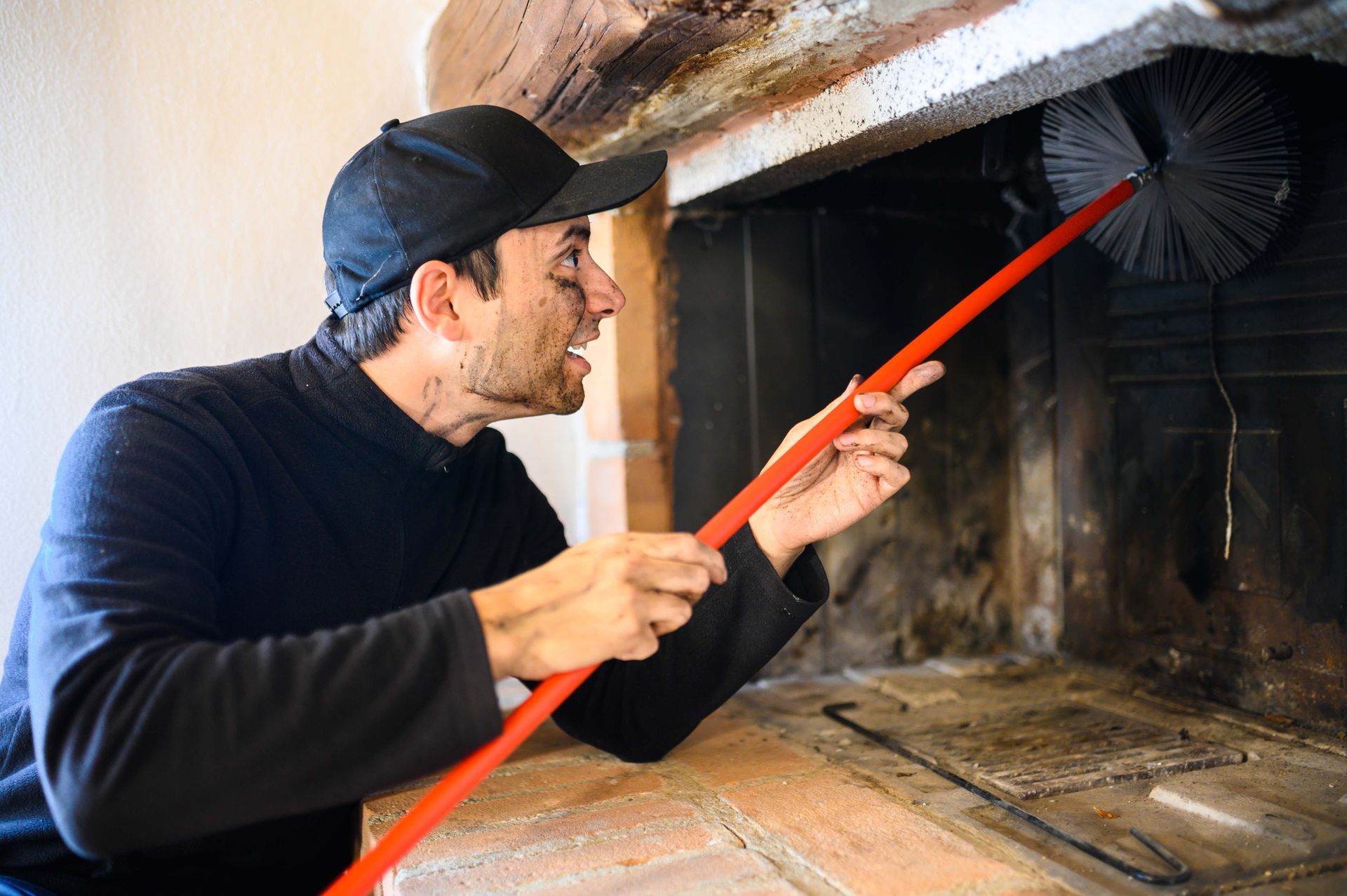
According to HomeGuide, routine chimney cleaning usually requires 1 to 2 hours, though simple maintenance on a well-kept system can be completed even faster. Investing this brief period into regular maintenance prevents long-term mechanical strain on your heating equipment. System components operating without draft restrictions experience far less wear, extending operational lifespan. Homeowners who schedule routine maintenance avoid expensive emergency repairs and enjoy reliable heating performance.
6. Risk of Legal and Insurance Non-Compliance
Municipal building codes and safety regulations often require homeowners to maintain heating systems properly. Ignoring these routine maintenance obligations can lead to local building compliance issues and municipal fines. Professional maintenance provides official service records showing that safety standards have been met. Staying informed about local regulations helps homeowners meet basic property requirements effortlessly.
Insurance providers often review maintenance history when processing property damage claims related to home fires. If investigation reveals that neglect caused a devastating fire, insurers may reduce payouts or deny claims entirely. Performing routine chimney cleaning demonstrates responsible property care, keeping your insurance coverage completely intact. Understanding your policy stipulations protects your financial interests in case of unforeseen emergencies. Maintaining detailed service receipts safeguards your insurance protection when critical claims arise.
Neglecting system maintenance also creates legal liability risks if dangerous fires or gas leaks affect neighboring properties. Property owners are expected to exercise reasonable care to prevent predictable hazards on their land. Demonstrating consistent maintenance shields homeowners from legal complications and liability disputes following property incidents. Upkeep also preserves overall home value, keeping your real estate investment attractive to future buyers.
Protecting your home environment requires consistent attention to safe exhaust practices, air quality, and regulatory guidelines. Scheduling regular service ensures optimal efficiency while preserving your property value and insurance protections. Staying proactive prevents sudden heating failures during peak winter conditions, giving your household true peace of mind. To secure your heating system and enjoy total safety all season long, contact us at Exclusive Chimney & Masonry to schedule your chimney cleaning service with our team today.