July 6, 2026
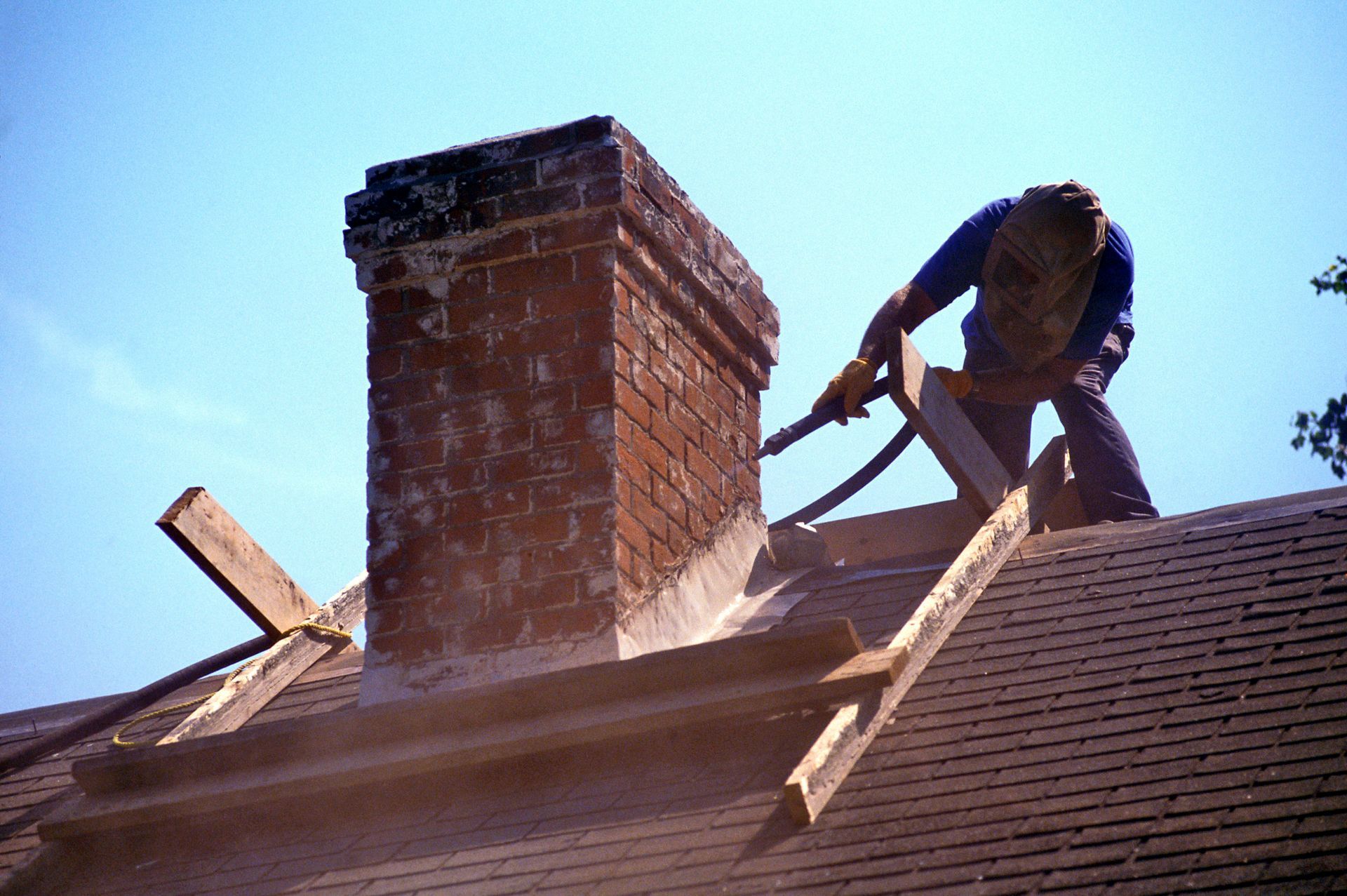
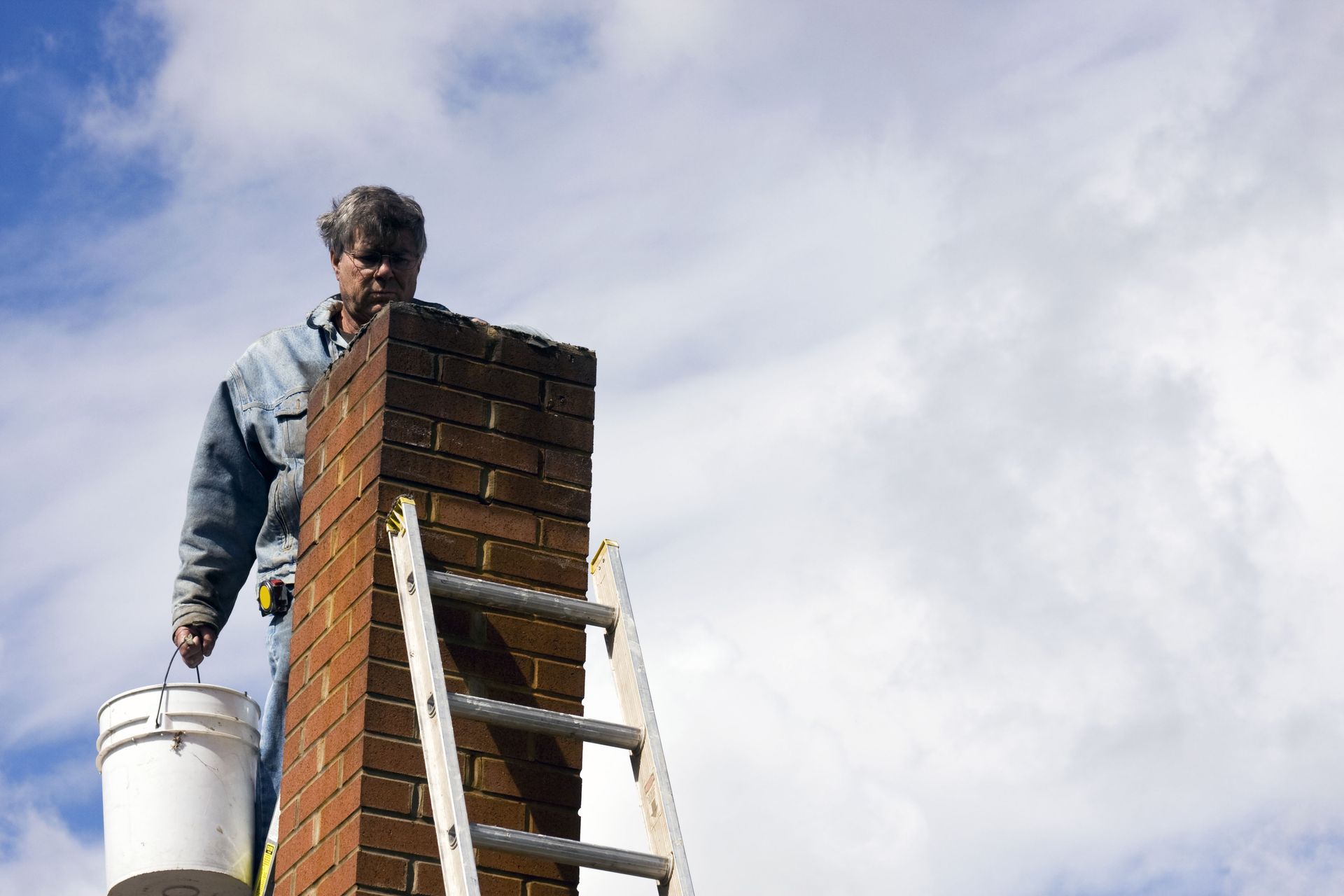
A chimney is one of the most important structural and functional components of a home, especially in properties with fireplaces. Over time, exposure to weather, moisture, and temperature fluctuations can weaken masonry and reduce stability. A proper chimney rebuild begins with a detailed evaluation of the existing structure to identify damage, deterioration, or shifting materials. Cracked mortar, leaning sections, and water intrusion are common indicators that reconstruction may be necessary. Understanding the current condition helps determine the scope of work required for long-term stability. Careful assessment ensures that future rebuilding efforts address both visible and hidden structural issues. Small issues that appear cosmetic can often signal deeper structural concerns that need attention before rebuilding begins.
Understanding Material Selection for Chimney Rebuild Longevity
The durability of a chimney depends heavily on the quality and compatibility of materials used during construction. Brick type, mortar composition, and reinforcement choices all influence how well the structure withstands environmental stress. A professional chimney rebuild involves selecting materials designed to resist moisture penetration and thermal expansion. Proper material selection helps reduce future deterioration and extends the life of the structure. Consistent material quality also ensures that the rebuilt chimney integrates seamlessly with the existing home exterior. This attention to detail supports both performance and appearance over time. Choosing the correct blend of materials also helps maintain structural consistency during seasonal temperature changes.
Strengthening Foundation Support During Chimney Rebuild Work
A stable foundation is essential for any chimney system, as it supports the entire vertical structure. If the base is compromised, the chimney may shift, crack, or separate from the home over time. A complete chimney rebuild often includes reinforcing or repairing the foundation to ensure proper load distribution. This step helps prevent future structural movement caused by soil settling or moisture exposure. Strengthening the base also improves overall safety and reliability. A solid foundation is key to achieving a long-lasting chimney structure. Additional reinforcement may be used to help distribute weight more evenly across the structure.
Improving Weather Resistance Through Chimney Rebuild Techniques
Chimneys are constantly exposed to rain, snow, wind, and fluctuating temperatures, making weather resistance a critical factor in their longevity. Water infiltration is one of the leading causes of masonry deterioration and structural weakening. A properly executed chimney rebuild incorporates techniques designed to minimize moisture penetration and improve drainage. Protective materials and construction methods help shield the structure from long-term environmental damage. Enhancing weather resistance reduces maintenance needs and extends the lifespan of the chimney. This approach ensures the structure remains durable under varying climate conditions. Proper sealing and drainage design also reduces the risk of internal moisture buildup.
Enhancing Home Value Through Chimney Rebuild Upgrades
Chimneys and fireplaces are often viewed as desirable architectural features that contribute to a home’s overall appeal. A well-maintained chimney can positively influence buyer perception and market value. A high-quality chimney rebuild not only restores functionality but also enhances visual presentation and structural integrity. According to Redfin, homes with fireplaces often sell for approximately 13% more than comparable homes without them. This highlights the financial advantage of maintaining and upgrading fireplace-related structures. Investing in chimney improvements can therefore contribute to both aesthetic and long-term property value. Improved exterior appearance also strengthens curb appeal in competitive housing markets.
Ensuring Safety Standards During Chimney Rebuild Execution
Safety is a critical consideration in any structural reconstruction project. Chimneys must be stable, properly aligned, and built to withstand both internal heat and external forces. A professional chimney rebuild ensures that all components meet structural safety standards and are installed correctly. This reduces the risk of collapse, fire hazards, or smoke ventilation issues. Proper alignment and reinforcement help maintain the safe operation of the fireplace system. Safety-focused construction practices are essential for protecting both the home and its occupants. Careful inspection during and after reconstruction helps confirm long-term safety performance.
Restoring Structural Alignment in Chimney Rebuild Projects
Over time, chimneys may begin to lean or shift due to foundation movement or material degradation. Structural misalignment can compromise both safety and efficiency. A precise chimney rebuild addresses these issues by restoring vertical alignment and correcting structural inconsistencies. This process ensures that the chimney functions properly while maintaining stability against external forces. Realignment also improves aesthetic balance with the rest of the home exterior. Proper correction of structural issues is essential for long-term performance. Accurate alignment also reduces strain on surrounding building materials.
Improving Ventilation Efficiency Through Chimney Rebuild Design
Proper ventilation is essential for ensuring that smoke, gases, and heat are safely directed out of the home. A damaged or poorly constructed chimney can reduce airflow efficiency and create indoor air quality concerns. A well-executed chimney rebuild incorporates design elements that support optimal draft and airflow. This includes proper flue sizing, smooth internal surfaces, and correct structural proportions. Improved ventilation enhances both safety and fireplace performance. Efficient airflow contributes to a more effective and reliable heating system.
Preventing Future Damage With Chimney Rebuild Maintenance Planning
Long-term durability depends not only on construction quality but also on ongoing maintenance. Without proper care, even a newly rebuilt chimney can develop issues over time. A proactive chimney rebuild strategy includes planning for future inspections and maintenance routines. This helps identify early signs of wear before they become significant structural problems. Preventive care extends the lifespan of the chimney and reduces long-term repair needs. Maintenance planning is an essential part of ensuring lasting performance. Regular monitoring also helps preserve structural integrity over changing seasons.
Increasing Structural Lifespan Through Chimney Rebuild Reinforcement
Reinforcement techniques play a key role in extending the life of a rebuilt chimney. Steel supports, improved bonding materials, and reinforced masonry all contribute to increased durability. A professionally completed chimney rebuild incorporates reinforcement methods that strengthen the structure against environmental stress and long-term wear. These enhancements help reduce the risk of cracking, shifting, or deterioration over time. Reinforced construction ensures that the chimney remains stable and functional for many years. Structural longevity depends heavily on these reinforcement strategies. Additional reinforcement layers may also improve resistance to freeze-thaw cycles.
Supporting Energy Efficiency With Chimney Rebuild Improvements
A well-constructed chimney contributes to overall home energy efficiency by supporting proper heat management and airflow control. Gaps, cracks, or structural weaknesses can lead to energy loss and reduced heating performance. A properly executed
chimney rebuild helps improve insulation and airflow efficiency within the system. This allows fireplaces and heating systems to operate more effectively. Enhanced efficiency contributes to more consistent indoor temperatures and reduced energy waste. Energy-conscious construction adds long-term value to the home. Improved sealing also helps prevent unwanted air leakage.
At Exclusive Chimney & Masonry, we specialize in delivering expert chimney solutions focused on safety, durability, and long-term performance. Our team is dedicated to providing high-quality reconstruction services tailored to the specific needs of each home. Whether your chimney requires partial repair or a full rebuild, we ensure every project is completed with precision and care. We focus on structural integrity, weather resistance, and lasting craftsmanship in every chimney rebuild we perform. Contact Exclusive Chimney & Masonry today to learn how we can help restore and strengthen your chimney system for years to come. Our goal is to deliver dependable results that protect your home and enhance its long-term value while ensuring every detail is handled with professional care and consistency.